Building Maintenance After SLF Is Issued
The issuance of SLF does not end the owner's obligations. PP 16/2021 requires routine maintenance and periodic inspections at least every 6 months so that the building remains fit for function.
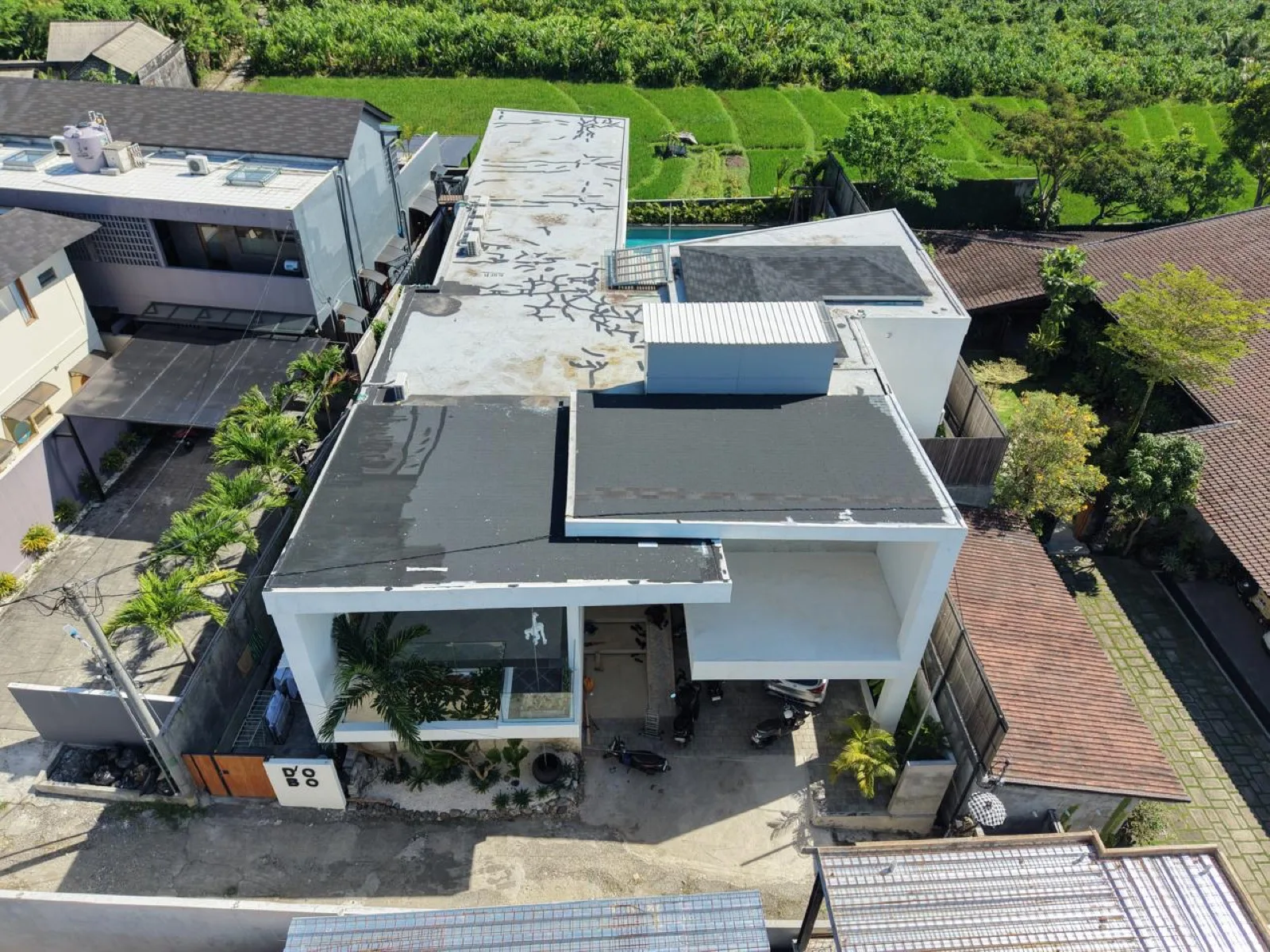
SLF Issuance Does Not Mean the Owner's Obligations Are Over
Many owners of houses, villas, hotels, shophouses, and commercial buildings assume that once the Sertifikat Laik Fungsi (SLF) is issued, the building can be used without any further attention to its technical condition. This assumption is incorrect.
PP 16/2021 Pasal 296 affirms that the building Owner or User must carry out maintenance and upkeep so that the building remains fit for function throughout its use. In other words, the owner's responsibility does not end on the day the certificate is issued — that is precisely when the responsibility to maintain the building's condition begins.
Periodic Inspections: Methods and Minimum Frequency
To ensure this obligation is actually fulfilled, the regulation provides for periodic inspections. PP 16/2021 Pasal 295 paragraph (5) explicitly states: "Periodic Inspections as referred to in paragraph (1) are conducted according to the period specified by the Technical Standards for each type of Building element or at least once every 6 (six) months."
This means that the six-month interval is the longest interval permitted by the regulation, not the ideal target. Certain elements, according to their respective Technical Standards, may require more frequent inspections. The methods are detailed in Pasal 295 paragraph (6): periodic inspections may be conducted using visual observation, material quality inspection, model analysis, and/or load testing. Note the two key terms — "may" and "and/or": these are method options combined according to the type of element being inspected, not a mandatory list that must be completed in full.
Periodic Inspections May Be Delegated, but Responsibility Cannot
Pasal 295 paragraph (4) provides important flexibility: the Owner or User may use a technical assessment service provider to conduct periodic inspections. This means owners do not need to possess the technical competence themselves to fulfill this obligation.
Importantly, this Pasal makes the use of a service provider optional ("may"), rather than transferring the obligation: Pasal 296 still places maintenance and upkeep responsibility on the Owner or User. Keeping inspection results properly organized is not an obligation stated in the Pasal, but it is practically useful when your SLF is extended.
The Close Connection with SLF Extension
Maintenance is not merely a standalone administrative obligation — it is directly connected to the SLF validity period. PP 16/2021 Pasal 297 paragraph (2) provides that SLF is valid for 20 years for detached and row houses, and 5 years for other buildings, including buildings with business functions such as commercial villas, hotels, and restaurants.
Pasal 297 paragraph (3) adds that an SLF extension is preceded by a functional suitability inspection. The periodic inspection results themselves are documented in a report (Pasal 295 paragraph (7)), and that report serves a further purpose: the functional suitability inspection checklist for an extension takes into account the periodic inspection report provided by the Owner or User (Pasal 298 paragraph (4)). This means it is the building's condition at the time of inspection that is assessed, with the periodic report used as supporting consideration. A building whose elements have been maintained from the outset faces that inspection in its actual condition. For a building declared not yet fit for function, Pasal 299 paragraph (2) provides three forms of recommendation: repairs without a PBG update, a PBG update without repairs, or a PBG update with repairs — which route applies depends on the inspection findings. The extension process is discussed in more detail in five-year villa SLF: why extension is different.
Maintaining a Building Is the Owner's Obligation, Not a Choice
Viewing maintenance as an extra cost that can be postponed is an expensive perspective: damage allowed to develop is generally more difficult and more costly to address than damage prevented early — and for a building with an SLF, maintenance is indeed an obligation attached to the owner or user (Pasal 296 paragraph (1)).
For villa or commercial property owners, a well-maintained building also reflects professionalism in managing the business. If you would like to prepare a maintenance program or arrange periodic inspections in accordance with PP 16/2021, the JKK team can help through an initial consultation tailored to your building's condition.
Frequently asked questions
Brief FAQ from this article
After obtaining an SLF, does the building still need to be inspected again?
Yes. PP 16/2021 Pasal 295 paragraph (5) requires periodic inspections at least once every 6 months, or according to the period specified by the Technical Standards for each building element.
Who is obligated to maintain the building?
PP 16/2021 Pasal 296 places this obligation on the building Owner or User, although periodic inspections may be delegated to a technical assessment service provider under Pasal 295 paragraph (4).
Does maintenance affect SLF extension?
Yes, and the connection is explicitly regulated. Periodic inspection results are documented in a report (Pasal 295 paragraph (7)), and when the SLF is extended, the functional suitability inspection checklist takes into account the periodic inspection report provided by the Owner or User (Pasal 298 paragraph (4)). So the report is not merely an internal record — it is taken into consideration.
Secure consultation
Check the building's position before making a decision
Start with the document status you know: location, building function, PBG/IMB/SLF if any, and current usage conditions. Sensitive data only needs to be discussed after the document requirements are clear.