SLF for Buildings Without PBG/IMB: Legal Path in Badung
Building already standing without PBG or IMB? PP 16/2021 opens a path to SLF for existing buildings through technical assessment and SIMBG.
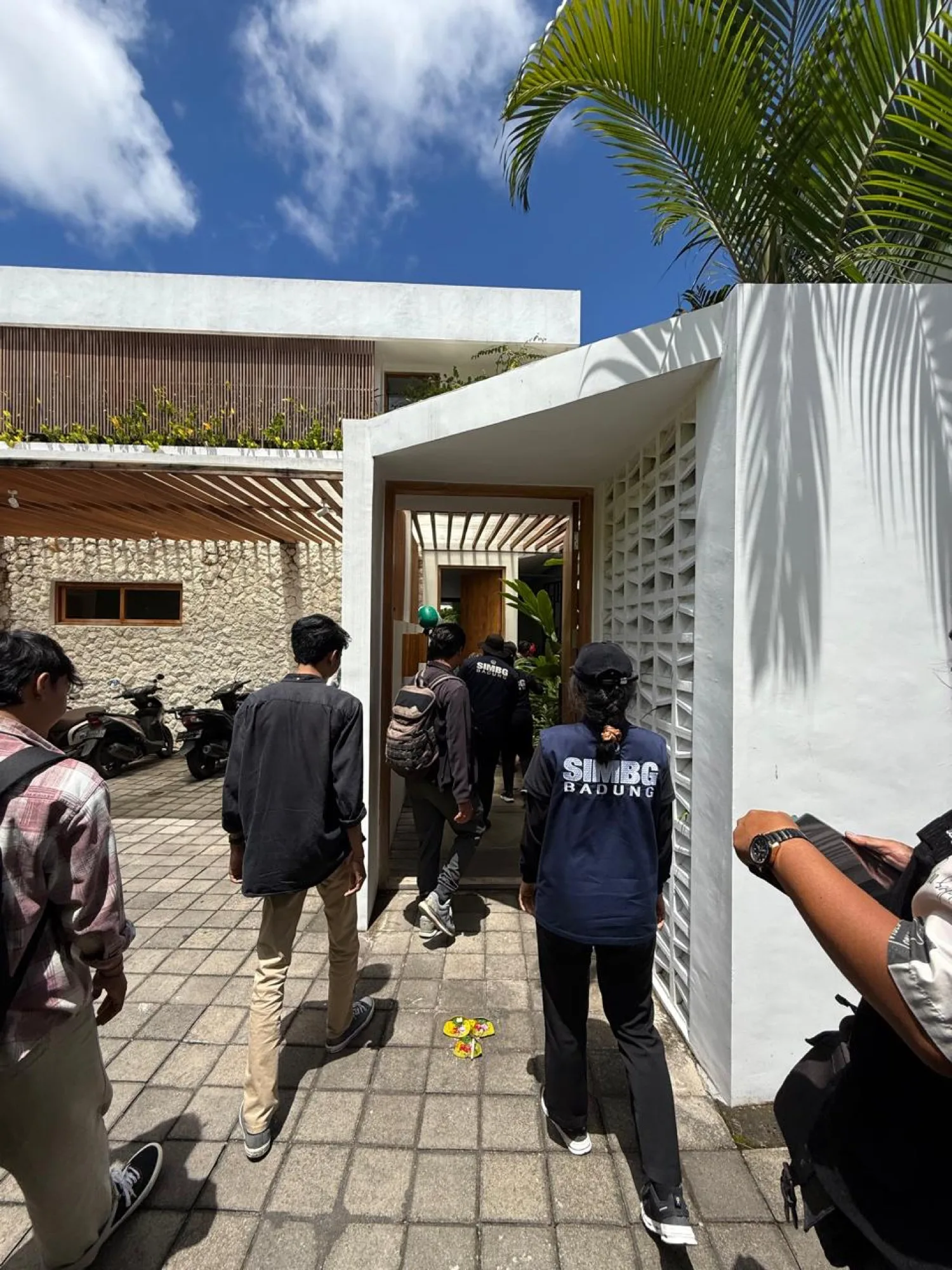
Building is up, but permits aren't in order
Many villa, shop-house, restaurant, and residential property owners in Badung share the same situation: the building is finished, even in use, but PBG documents or old IMB are incomplete. Some have an IMB but their drawings no longer match the actual structure. Some built in phases and neglected to formalize permits. Others purchased an existing property and only later realized the legal paperwork was incomplete.
This does not automatically mean a dead end. Under the PP 16/2021 framework, buildings that already exist have a dedicated inspection pathway. The focus is not on turning back time as if the building were never built, but on verifying today's as-built condition: whether the structure, architecture, utilities, safety, health, comfort, and accessibility meet technical standards.
The official route: SLF for existing buildings
For existing buildings that do not yet have a PBG, PP 16/2021 Article 282 paragraph (3) outlines the key workflow: functional feasibility inspection, a statement of technical standards compliance, followed by issuance of the SLF and SBKBG. This is not an informal shortcut. It is the official channel for assessing an existing building through technical evidence.
In practice, the process begins with a field audit and preparation of as-built drawings — that is, drawings showing the building exactly as it actually stands. The Technical Assessor then prepares a feasibility recommendation. If the building does not yet have a PBG, Article 283 paragraph (5) requires the Technical Assessor to also recommend PBG application.
PBG and SLF can be issued simultaneously
What often confuses owners is the order of PBG and SLF. For new buildings, PBG is generally handled before construction begins, while SLF is issued when the building is ready for use. However, for an existing building without a PBG, PP 16/2021 Article 286 paragraph (2) enables a mechanism for simultaneous PBG and SLF issuance through SIMBG.
This means you do not have to "rebuild" the process from scratch as if it were a new project. What is required is preparing technical evidence of the as-built condition, completing administrative data, and undergoing inspection via the SIMBG pathway. This is where an experienced consultant becomes essential, because incomplete documents often cause back-and-forth delays.
Who inspects the building?
PP 16/2021 Article 282 paragraphs (5) and (6) define the inspecting parties. For most commercial buildings or non-simple structures, inspection is carried out by the Technical Assessor. For certain residential homes, the Technical Assessment Team may be involved as applicable. The key point: inspection goes far beyond administrative paperwork.
The Technical Assessor evaluates the building in terms of safety, health, comfort, and accessibility. They examine the structure, evacuation routes, fire protection, electrical installations, ventilation, lighting, sanitation, accessibility, and other technical elements appropriate to the building's scale. Because their recommendation forms the basis for issuance, the quality of the inspection has a significant impact on how smoothly the process runs.
Documents to prepare
The most critical technical document is the as-built drawing. PP 16/2021 Article 282 paragraph (13) specifies the minimum content for as-built drawings, including structural dimensions, evacuation routes, fire protection, lightning protection, and electrical installations. For many older buildings, such drawings either do not exist or no longer match field conditions.
Beyond drawings, owners typically need to prepare administrative documents such as owner or business entity identification, land documents, KRK/KKPR if available, environmental documentation as required, and other supporting data requested by SIMBG or the relevant agency. Even if initial documents are incomplete, the process can still begin with a gap analysis so the owner knows what needs to be addressed first.
Not a legal loophole, but an official corridor
The safest way to understand SLF for existing buildings is this: the state does not turn a blind eye to the fact that many buildings were erected before the PBG/SIMBG system was fully operational. But existing buildings must still be proven functionally feasible before they can be used. The existing-building pathway was created so that this verification can be carried out technically, documented, and fully accountable.
For that reason, this process should not be viewed as "amnesty" without scrutiny. On the contrary, the core of the process is an audit. Where deficiencies are found, recommendations may include technical adjustments, remedial work, or additional documentation. The earlier the building's condition is assessed, the lower the risk of the owner making decisions based on assumptions.
Frequently asked questions
Brief FAQ from this article
A building is already standing without IMB — can it still be processed?
Yes, as long as the building's condition can be proven to meet technical standards through the SLF existing pathway and technical assessment.
Must the PBG be finalized before the SLF?
For existing buildings without a PBG, PP 16/2021 Article 286 paragraph (2) allows PBG and SLF to be issued simultaneously through SIMBG.
Secure consultation
Check the building's position before making a decision
Start with the document status you know: location, building function, PBG/IMB/SLF if any, and current usage conditions. Sensitive data only needs to be discussed after the document requirements are clear.