SLF Villa 5 Years: Why the Renewal is Different
SLF for commercial buildings is valid for 5 years. Renewal starts with a periodic inspection, not just re-uploading old documents.
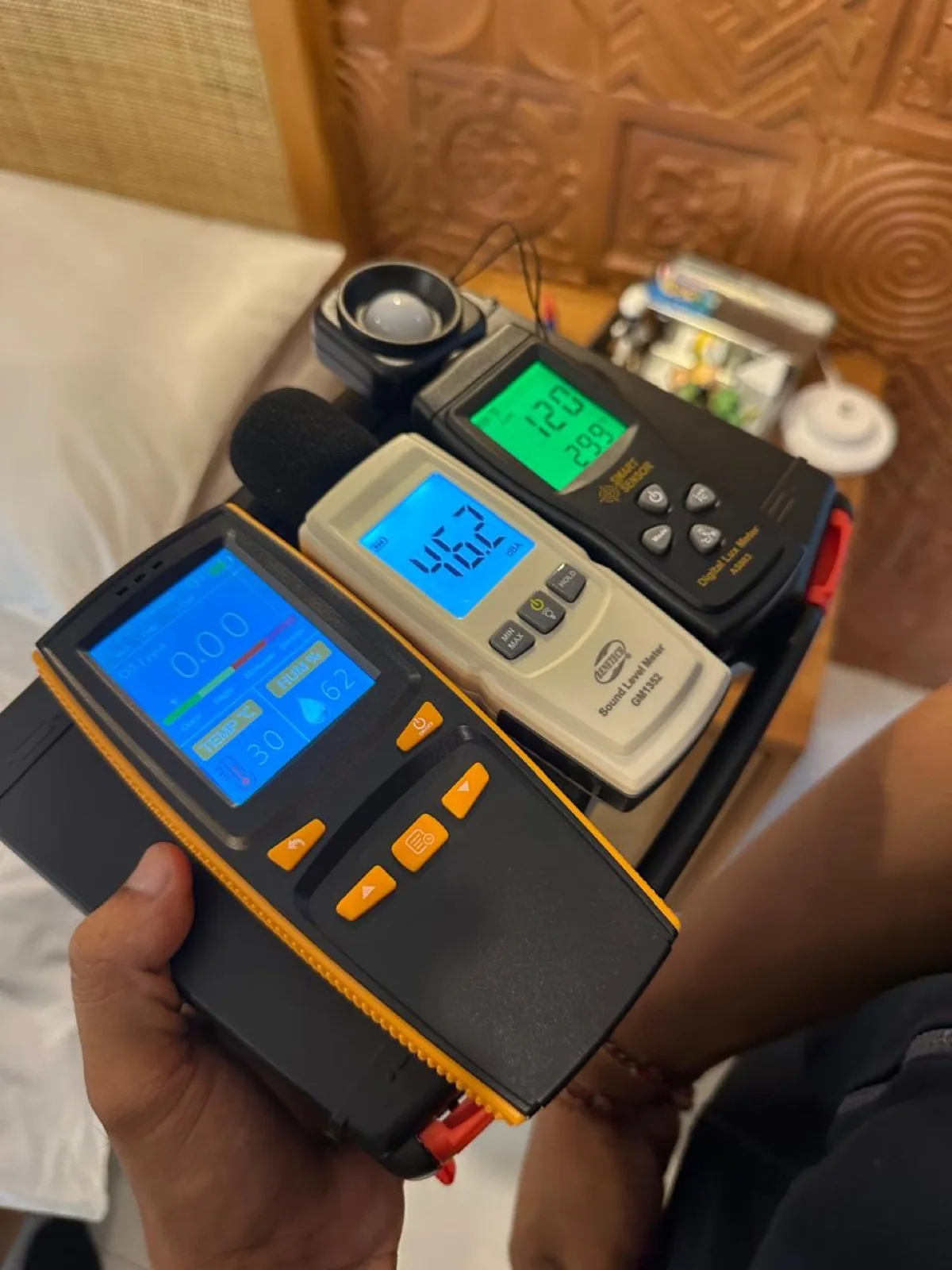
SLF for commercial villas is not a lifetime permit
PP 16/2021 Pasal 297 regulates the validity period of SLF. For single and row houses, the validity period is 20 years. For other buildings, including business functions such as commercial villas, restaurants, shophouses, hotels, or sports facilities, the SLF validity period is 5 years.
Many owners only realize when the SLF is close to expiring. In fact, renewal is not ideal if done in a rush. Buildings used for five years can change: there are renovations, additional rooms, changes in function, minor damage, or utility systems that are no longer the same as when the first SLF was issued.
Renewal starts with a periodic inspection
SLF renewal is preceded by a periodic inspection. Pasal 295 and the series of Pasal 297-301 explain that the condition of the building must be reassessed. The inspection is not just about comparing old documents, but assessing the latest condition of the building and its maintenance history.
Therefore, owners should prepare the previous SLF, as-built documents, maintenance records if any, photos of the latest condition, and information on any changes that have been made. The more honest the initial data, the easier it is for the Pengkaji Teknis to determine whether the building only needs to be renewed or requires adjustments.
Different from the initial application
In the initial application, especially for new buildings, the inspection is usually related to the suitability of execution against the PBG documents. For renewal, the comparison point changes: the current physical condition is compared with the latest SLF and the applicable technical standards.
If the building has not changed and is well-maintained, the process can be simpler. However, if there are major renovations, changes in function, additional floors, MEP changes, or adjustments to the business area, the Pengkaji Teknis may recommend document updates or even a PBG process if the changes are significant.
What villa owners often forget
A villa that was originally a residential house and then rented out as accommodation cannot only be viewed from its physical appearance. The business function brings the consequence of a 5-year SLF validity period, the need for business documents, and greater attention to guest safety. Things like evacuation access, fire protection, air quality, lighting, and accessibility become relevant.
Renewal is also a moment to improve records. If the first SLF was processed in a rush, the renewal can be an opportunity to tidy up the as-built, update documentation, and ensure the building no longer relies on memory or scattered old files.
Documents That Support the Renewal Inspection
To ensure the functional suitability inspection proceeds effectively, prepare documents that describe the building's history: the latest SLF, the latest as-built drawings if changes have been made — comparing site conditions against the as-built drawings and the latest SLF is indeed part of the assessment framework (Pasal 299 ayat (3), (5), and (6)) — as well as the periodic inspection report, because the results of a periodic inspection are documented in a report (Pasal 295 ayat (7)). In practice, owners often record this in a maintenance log-book.
One point is often misunderstood: the functional suitability inspection checklist is not a document prepared by the owner. The checklist is prepared by the technical assessment service provider or the Technical Agency (Pasal 298 ayat (3)), and it takes into account the periodic inspection report provided by the Owner or User (Pasal 298 ayat (4)). Your role is to submit the report; the assessor's role is to prepare the checklist.
What Happens After the Inspection?
The results of the functional suitability inspection include a statement of functional suitability and/or recommendations (Pasal 298 ayat (6)). The statement is issued if the building is declared fit for function. If it is not yet fit for function, the recommendations follow Pasal 299 ayat (2): repairs without a PBG update, a PBG update without repairs, or a PBG update with repairs.
In JKK's advisory work, questions about renewal are indeed less frequent than those about an initial SLF application — but such cases continue to arise, usually when owners only realize that the validity period is close to expiring. An earlier evaluation provides time to complete the documents and carry out repairs if necessary, without being pressed by a deadline.
Do not wait for the expiration date
Available sources do not give a specific number of months for when to apply for renewal. However, in practice, starting before the validity period expires is much safer. You need time for checking documents, surveys, assessments, repairs if any, and the SIMBG process.
If you are not sure when the SLF expires, start with one simple thing: check the validity date on the document. From there, a consultant can help map out priorities, especially if the property is actively operating or is part of an accommodation business.
Practical notes for building owners
SLF renewal should not be delayed until the expiration date. For business buildings, an administrative gap can disrupt operations because owners suddenly need to prove that the building is still fit for use. In the context of villas, restaurants, shophouses, or commercial facilities, five years is a long enough time for changes to occur: minor renovations, additional electrical installations, layout changes, or spatial function adjustments.
Before applying for a renewal, owners can prepare three layers of information: the latest SLF document, records of physical changes since the SLF was issued, and the building maintenance conditions. If there are no changes, the process is usually simpler. If there are changes, the Pengkaji Teknis needs to assess whether those changes still meet safety, health, comfort, and convenience standards. This approach helps avoid the assumption that renewal is always just repeating the old documents.
Frequently asked questions
Brief FAQ from this article
My SLF is about to expire. What do I need to prepare?
Make sure the building legality documents are complete: the latest SLF, the latest as-built drawing if changes have been made, and the periodic inspection report (Pasal 295 ayat (7)). The building then undergoes a functional suitability inspection by a technical assessment service provider (Pasal 297 ayat (3), Pasal 298 ayat (1)) before the SLF is renewed.
Is SLF renewal as difficult as the initial application?
The focus is different. The initial application assesses the completed construction against the PBG and construction supervision (Pasal 272), while renewal assesses the building's current condition against the Technical Standards and the latest SLF (Pasal 299). The process does not start from scratch, but it still requires a technical inspection.
What if the building has been renovated since the latest SLF was issued?
The assessor evaluates whether the changes still conform to the documents. If the conditions no longer conform to the Technical Standards and the latest SLF, the recommendation may be a PBG update — with or without repairs (Pasal 299 ayat (2), (5), and (6)).
Secure consultation
Check the building's position before making a decision
Start with the document status you know: location, building function, PBG/IMB/SLF if any, and current usage conditions. Sensitive data only needs to be discussed after the document requirements are clear.