Buildings Without SLF: What Can Happen Beyond Fines
The risks of not having an SLF go beyond fines. They include administrative sanctions, suspension of utilization, and utility service risks if the SLF expires.
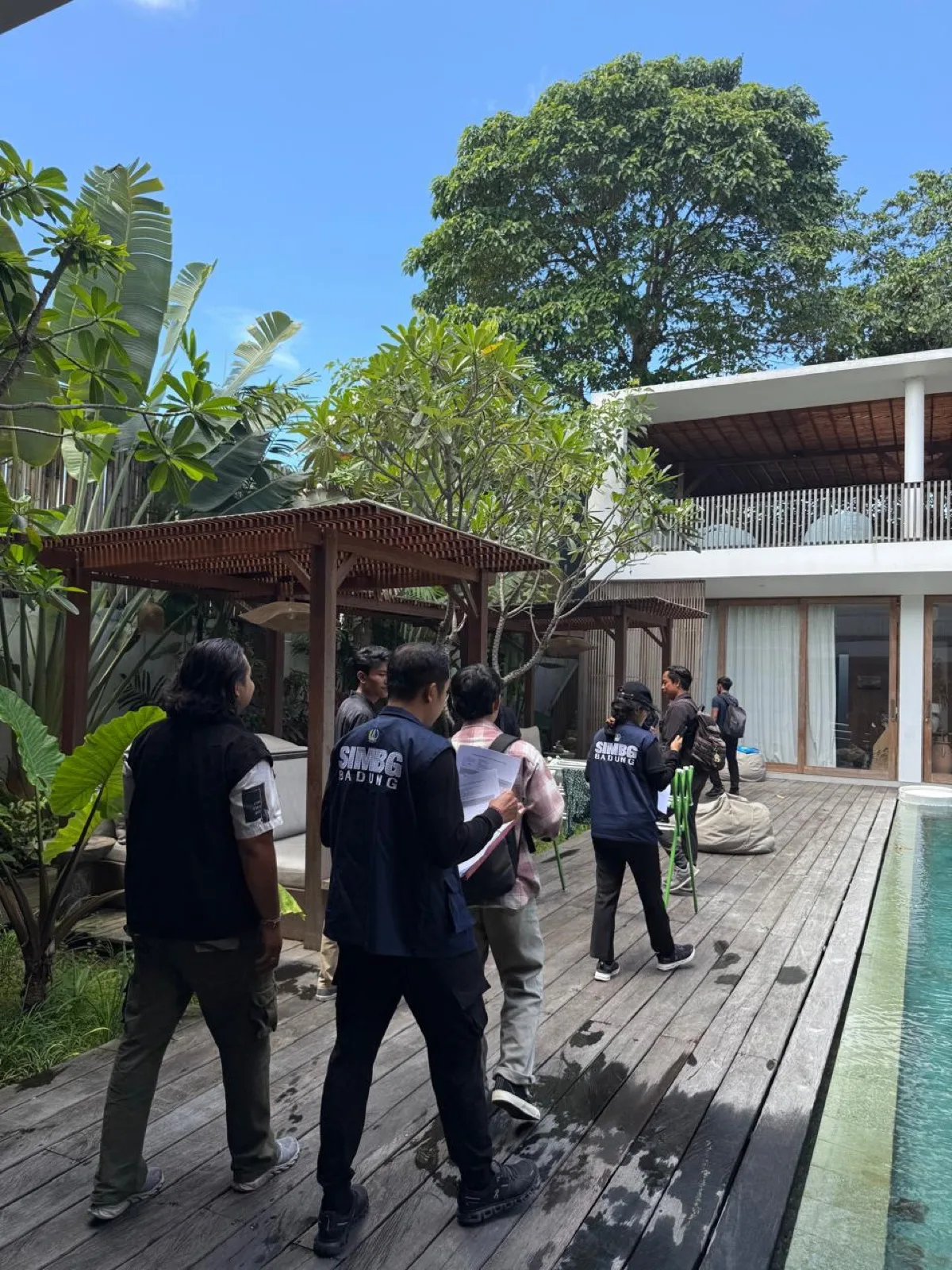
SLF is a prerequisite for building utilization
PP 16/2021 Pasal 274 ayat (2) states that SLF must be obtained by the owner before the building can be utilized. This statement is simple, but its impact is significant. SLF is not merely an additional document once the building is operational; SLF is the foundation proving that the building is fit for use.
For residential homes, the risk is typically felt during transactions, financing, or legality checks. For commercial buildings such as villas, restaurants, shophouses, clinics, or accommodation, the risk is more tangible because the building is used by the public or guests. At that point, functional suitability is not just the owner's concern, but also a matter of user safety.
Administrative sanctions are applied progressively
PP 16/2021 Pasal 327 regulates administrative sanctions. They are progressive, starting from written warnings, restriction of activities, temporary or permanent suspension, to the freezing or revocation of PBG and SLF. Everyday language often uses the term “segel”, but the legal term in the PP is the suspension of utilization activities.
Distinguishing these terms is important so that owners do not merely respond emotionally. If a warning is issued, what needs to be done is to understand the root of the problem: whether the building does not yet have an SLF, the PBG does not match, the function has changed, or the technical documents are incomplete. A proper response begins with a proper diagnosis.
An expired SLF also poses risks
Risks do not only arise when a building has never had an SLF. PP 16/2021 Pasal 302 ayat (1) stipulates that if the SLF expires and is not renewed, the SBKBG becomes invalid and municipal/district public utility services can be disconnected. This often escapes the attention of commercial building owners.
For buildings other than single and row houses, the validity period of the SLF is 5 years. This means commercial villas, restaurants, shophouses, and other commercial buildings need to monitor their expiration dates. Ideally, renewal is not a task to start at the last minute, as it still requires periodic inspections and technical documentation.
When it becomes a criminal matter
Criminal sanctions do not automatically apply to every building without an SLF. Under UU 28/2002 Pasal 46-47, the criminal context relates to building failures that result in property damage, permanent disability, or loss of life. Therefore, do not scare owners with criminal threats as if all cases are the same.
However, do not downplay the risk either. The absence of an SLF indicates that functional suitability has not been officially proven. Should an incident occur, the owner's position becomes significantly weaker because there is no document showing that the building has been assessed as fit for use according to standards.
Assessing risks before they become a crisis
The best way to manage SLF risks is not to wait for a warning. Start with a status audit: whether the building has a PBG/IMB, whether an SLF has ever been issued, whether the current function of the building matches the documents, and when its validity expires. From there, the most logical path will become clear.
For existing buildings, especially in Badung, legality issues often arise not because owners refuse to comply, but because old documents are disorganized, the building has been modified, or no one has explained the process in a language they can understand. This is where an initial consultation helps: not to immediately sell services, but to calmly assess your position.
Practical notes for building owners
The risks of not having an SLF usually do not appear all at once. Initially, the building may still be usable, rentable, or marketable. Problems are only felt when there is an inspection, business license renewal, document request from rental platforms, buy-sell transaction, or planned change of function. Therefore, the SLF should be viewed as an operational document, not just an archive kept after the building is completed.
For villa or business building owners in Badung, a safe first step is to list the documents that actually exist and separate them from documents that only "once existed". After that, check whether the current condition of the building is still the same as in the old documents. If there are additional rooms, mass expansions, changes of function, or utility changes, the existing path usually requires re-evaluating field conditions before technical conclusions can be drawn.
Secure consultation
Check the building's position before making a decision
Start with the document status you know: location, building function, PBG/IMB/SLF if any, and current usage conditions. Sensitive data only needs to be discussed after the document requirements are clear.