Villa Sealed or OTA Delisting? Initial Steps
If a villa receives a warning or faces potential OTA delisting, start by checking the PBG/SLF status, conducting a building audit, and identifying the correct SIMBG path.
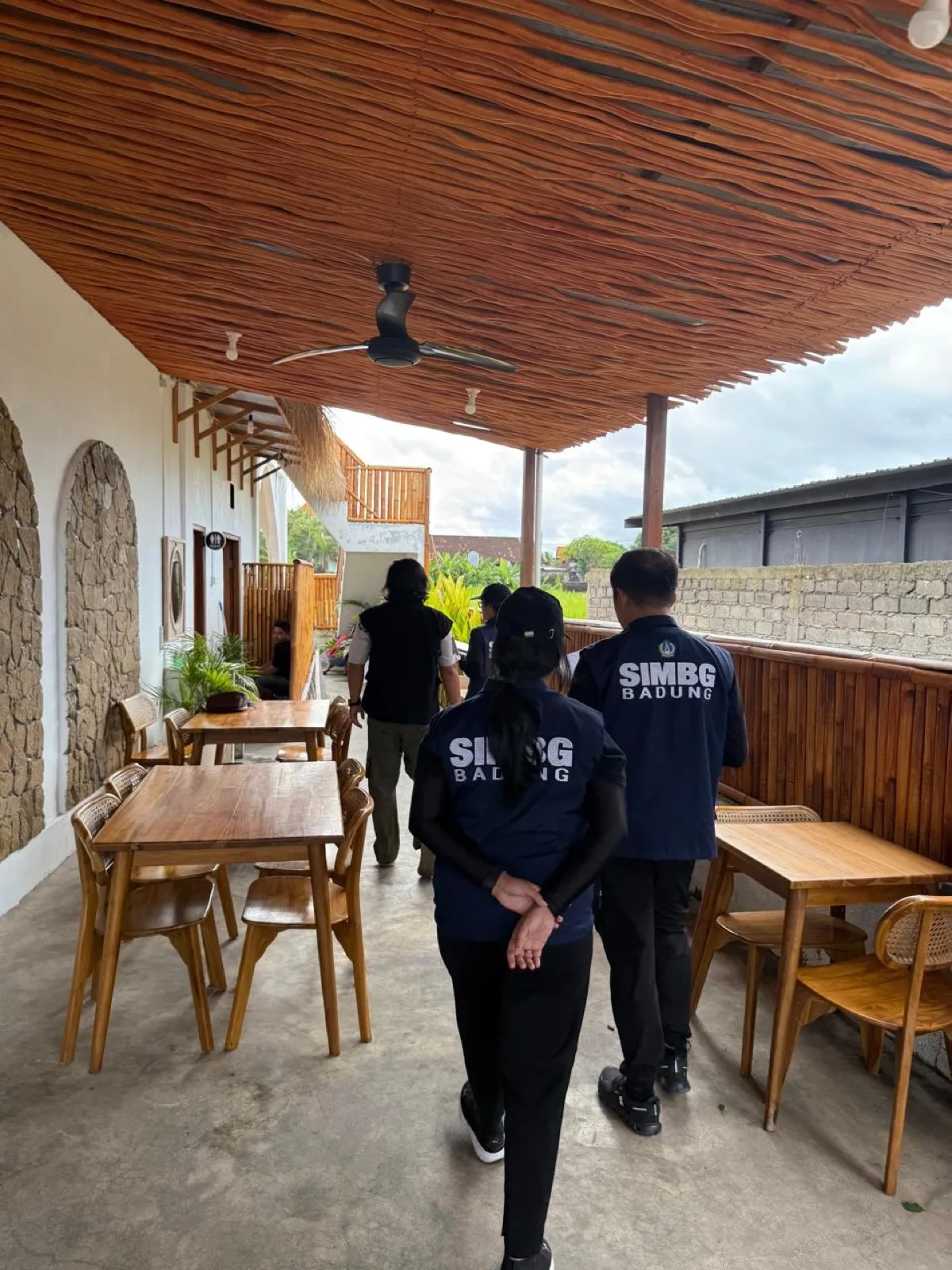
Do not start with panic
When a villa receives a warning, is cordoned off, or is required to complete permits for accommodation platforms, the first reaction is usually panic. Panic is natural, but decisions made in panic are often messy: seeking shortcuts, delaying responses, or sending unprepared documents.
A healthier first step is to map the status. Does the building have a PBG or an old IMB? Has an SLF ever been issued? Is the building function in the document the same as the current business function? Have there been physical changes since the last document?
The core regulation: buildings must be function-worthy before utilization
PP 16/2021 Pasal 274 paragraph (2) states that SLF must be obtained before a building can be utilized. For business buildings, this is crucial because the building is used by guests, customers, workers, or the public.
If there is no PBG/IMB yet, the route for existing buildings through Pasal 282 and Pasal 286 can be the path for rectification: function-worthiness inspections, technical recommendations, then PBG and SLF can be processed in accordance with the SIMBG mechanism. This is not an automatic guarantee; the building's condition must still be technically assessed.
Badung context: enforcement and OTA
The PRD document of the JKK project notes market facts that justify the website's repositioning: 194 enforcement actions against problematic buildings by Satpol PP Badung throughout 2025, as well as the issue of delisting unlicensed accommodations from OTA starting 1 August 2026 based on sources recorded in the PRD. This figure should be treated as policy context, not as a scare tactic.
The JKK website does not need to scream that everyone is in danger. What is more useful is to explain the way out: check the status, audit the condition, prepare the as-built, and submit through SIMBG if the building can indeed be processed. A calm tone is actually more helpful for owners in taking the right steps.
Realistic sequence of actions
First, stop assuming. Collect all existing documents: IMB/PBG, SLF, drawings, land documents, NIB, business permits, and warning letters if any. Second, check whether the actual function of the building matches the documents. Third, conduct a survey and initial assessment to see if the existing SLF path is realistic.
Fourth, prepare the as-built drawings and technical report. Fifth, submit through SIMBG and follow the inspection process. If there are findings, follow up on the recommendations for improvement. Such a process is not always instant, but it is far safer than patching up issues with documents that do not match field conditions.
For conditions that have already entered the enforcement stage, JKK provides a special path — see the fast-track enforcement service.
Fast-track does not mean bypassing inspections
In the context of JKK, fast-track means priority handling and coordination, not bypassing technical standards. Buildings must still be assessed, documents must still be correct, and technical recommendations must still be accountable.
If your property is currently in an urgent situation, send the chronology and initial documents via WhatsApp. From there, the team can determine if the case can go through the existing path, what requirements must be met, and which parts are most at risk of hindering the process.
Practical notes for building owners
When a building faces enforcement pressure or document requests from rental platforms, the riskiest decision is to delay while gathering information from many unconnected sources. A safer step is to create a brief chronology: when the building was built, what documents exist, whether there are physical changes, whether it is already operating, and the last communication status with the government agency, manager, or platform. This chronology helps the consultant separate administrative issues from technical issues.
If there is a letter, a seal mark, or a platform notification, keep a copy organized but do not immediately share document numbers or sensitive identities in public chats. For the initial consultation, simply explain the general location, building function, and problem status. Once the workflow is clear, sensitive documents can be discussed in a targeted manner. The main goal is not to find a shortcut, but to show verifiable compliance steps.
Secure consultation
Check the building's position before making a decision
Start with the document status you know: location, building function, PBG/IMB/SLF if any, and current usage conditions. Sensitive data only needs to be discussed after the document requirements are clear.