KKPR & Spatial Planning Demolition Sanctions in Canggu
Building without KKPR that complies with the RDTR can lead to fines or even demolition. Understand KKPR as the licensing gateway in Canggu and Kuta Utara.
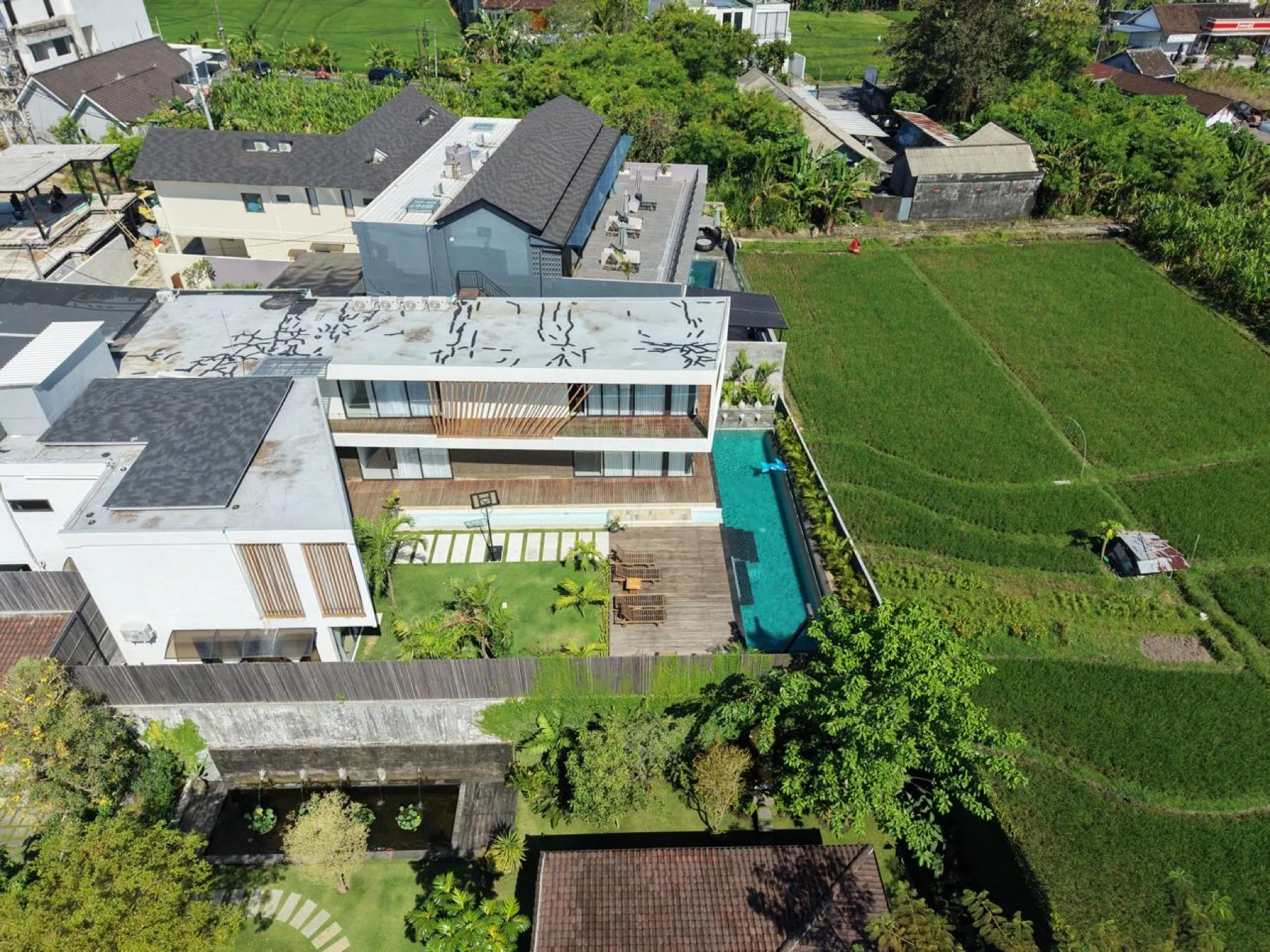
KKPR is a gateway, not a final formality
Before building drawings can be registered in SIMBG for PBG, applicants must first ensure the land complies with the spatial plan. Permen ATR/BPN 13/2021 Pasal 2 states that all spatial utilization activities must first obtain the Conformity of Spatial Utilization Activities (KKPR).
Technically, the SIMBG portal is connected to OSS-RBA. The applicant's spatial planning status must pass validation first before civil engineering technical documents can be processed. This means that KKPR is the upstream gateway for licensing, and PP 28/2025 places it as one of the basic requirements for business licensing along with environmental approvals and PBG.
Context of Canggu and Kuta Utara
In high-investment areas like Canggu and Kuta Utara, spatial planning supervision is tightened. Badung RDTR data in the JKK repository refers to Perbup Badung 9/2021 as one of the references for this region, with issues such as sustainable food agricultural land, tourism zones, and mixed zones determining whether the building function can be realistically processed.
Mobilizing contractors and working on foundations before the spatial planning status is clear is a risky move. Supervision is now supported by public digital reporting and regular monitoring, making land conversion that does not comply with the designated allocation easier to detect.
The sequence of spatial planning violation sanctions
PP 21/2021 Pasal 195 ayat (1) regulates administrative sanctions for spatial use violations progressively: written warnings; administrative fines; temporary suspension of activities; temporary suspension of public services; location closure; revocation of KKPR; cancellation of KKPR; building demolition; and/or restoration of spatial function.
Building demolition and restoration of spatial function are the most severe outcomes of this sequence, and the costs can be charged to the owner. This confirms that buying or building in Bali without spatial planning due diligence is not just a minor administrative risk.
Due diligence before transactions
The safest way is to check zone suitability before buying or leasing land, not after the building is erected. This check answers whether the planned function, such as a commercial villa or a restaurant, is indeed permitted in that zone.
If the zone does not support the business function, the permit process will be much more difficult, or even reach a dead end. Identifying spatial planning risks early protects prospective buyers from purchasing assets that will be difficult to legalize in the future. At this point, zoning checks become an essential part of the investment decision.
Frequently asked questions
Brief FAQ from this article
Is KKPR mandatory before processing PBG?
Yes. Permen ATR/BPN 13/2021 Pasal 2 requires every spatial utilization to have a KKPR, and its status is validated via OSS-RBA before technical PBG documents are processed in SIMBG.
What is the most severe sanction for spatial planning violations?
PP 21/2021 Pasal 195 ayat (1) lists building demolition and restoration of spatial function as the most severe sanctions, alongside fines and location closure.
Secure consultation
Check the building's position before making a decision
Start with the document status you know: location, building function, PBG/IMB/SLF if any, and current usage conditions. Sensitive data only needs to be discussed after the document requirements are clear.