Penilik vs Pengkaji Teknis: Do Not Confuse Their Roles
Penilik and Pengkaji Teknis are often assumed to be the same. PP 16/2021 gives them different definitions, authorities, and stages of work in the PBG and SLF processes.
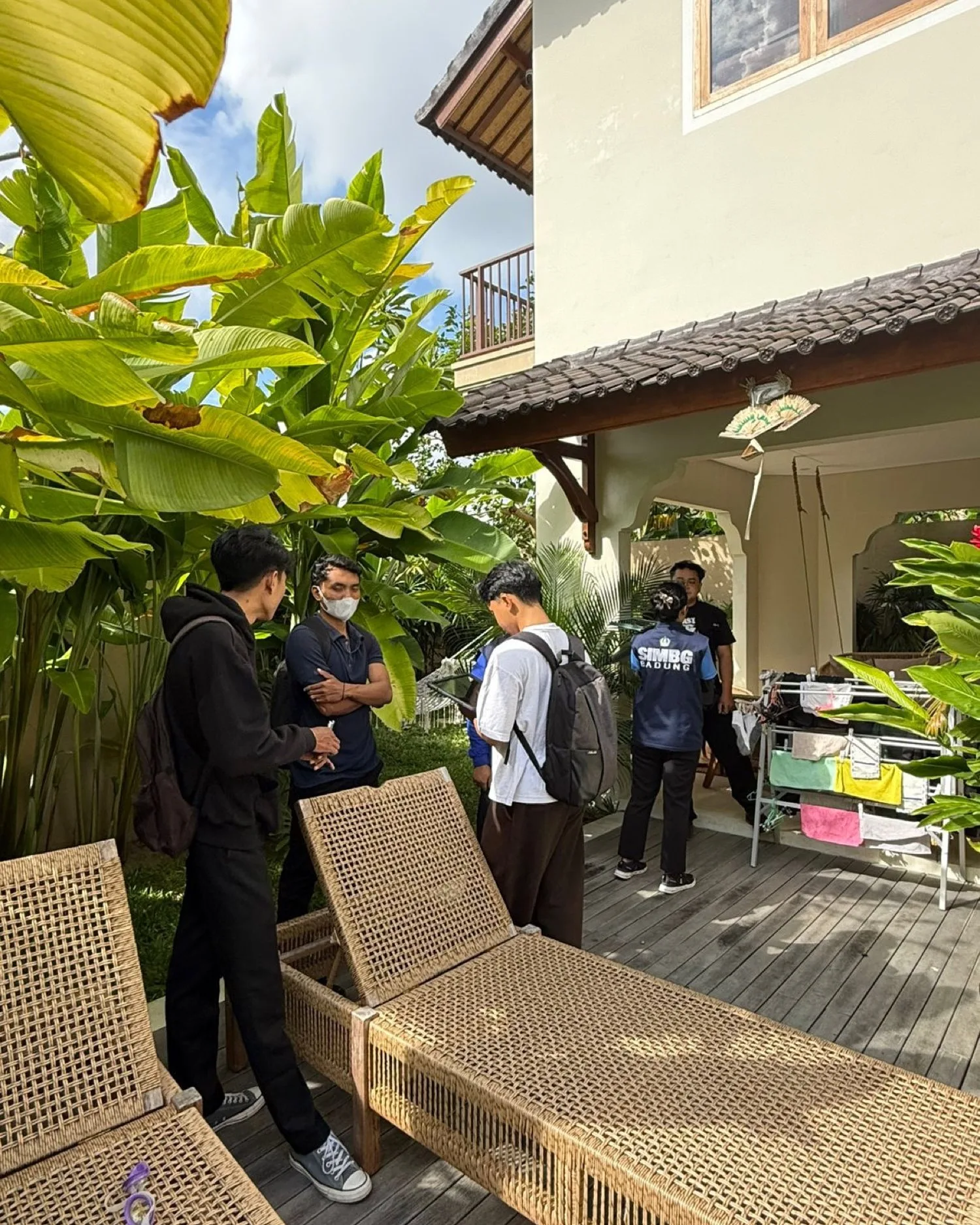
A Common Misconception in the Field
While construction is underway, a government officer may visit the site — inspection is indeed part of a Penilik's duties (Pasal 1 point 34). This can easily lead to a hasty conclusion: "This must be the person who will later issue the SLF." That assumption is incorrect and can cause owners to approach the wrong party when they need to follow up on findings or apply for a certificate.
PP 16/2021 actually distinguishes these two roles clearly: Penilik and Pengkaji Teknis. Both conduct inspections, but at entirely different stages, under different authorities, and for different purposes.
Penilik: Overseeing the Construction Process
PP 16/2021 Pasal 1 point 34 defines a Penilik explicitly: "A Penilik Bangunan Gedung, hereinafter referred to as a Penilik, is an individual who possesses competence and is assigned by the Central Government or Regional Government, in accordance with its authority, to inspect the Administration of Buildings."
A Penilik performs duties during construction, use, and demolition, as regulated in Pasal 236. When work is found not to conform to the PBG, the Penilik is authorized to issue a warning to the building administrator. Their role is connected to a government assignment, not a contractual relationship with the building owner. A more detailed discussion of the Penilik inspection stage is available in Penilik & construction supervision in accordance with PBG.
Pengkaji Teknis: Assessing Functional Suitability for SLF
Unlike a Penilik, PP 16/2021 Pasal 1 point 36 defines a Pengkaji Teknis as "an individual or business entity, whether incorporated or unincorporated, holding an expert-qualification work competency certificate or business entity certificate to conduct technical assessments of the functional suitability of Buildings."
Pasal 205 paragraph (1) states their duties: to conduct functional suitability inspections of buildings and/or periodic inspections. What is often overlooked is that Pasal 205 paragraph (3) specifically limits their function: inspections for the issuance of SLF for existing buildings, SLF extensions, post-disaster reliability, and periodic inspections. This means a Pengkaji Teknis works on buildings that ALREADY stand — not on SLF issuance for newly completed buildings. A full explanation of their duties and competencies is available in who is a Pengkaji Teknis, and why their role is important.
Differences Building Owners Need to Understand
In short, a Penilik oversees whether the construction process follows the approved PBG documents. A Pengkaji Teknis assesses whether an existing building is fit for use as the basis for issuing an existing-building SLF or an extension. One relates to the process, while the other relates to the end result.
The difference is also evident in their authority. A Penilik works on behalf of the government and coordinates with the Technical Agency when nonconformities are found. A Pengkaji Teknis prepares the technical recommendations that form the basis for an administrative decision — and Pasal 204 paragraph (5) affirms that the Pengkaji Teknis is responsible for the technical assessment results in the recommendation document in accordance with the work contract.
New and Existing Buildings Follow Different Routes
This is the most common source of confusion. For a NEWLY completed building, the functional suitability statement is instead issued by the construction supervision or construction management service provider — or by the Penilik for certain small detached houses built without a supervision service provider (PP 16/2021 Pasal 272 paragraphs (4), (5), and (6)). A Pengkaji Teknis is not part of this route.
Conversely, for an EXISTING building, the functional suitability inspection is conducted by an owner certified in technical assessment, certified internal personnel, or a certified Pengkaji Teknis service provider (Pasal 282 paragraph (5)). Specifically for residential buildings, the inspection may be conducted by the Tim Penilai Teknis (TPT) (Pasal 282 paragraph (6)). Therefore, the question of "who conducts the inspection" has no single answer — it depends on the status and type of your building.
Why Understanding This Difference Matters to Owners
As a villa or commercial building owner, you do not need to be confused about whom to contact first. What matters more is understanding your building's current position. If the building is still under construction, the focus is on whether the work conforms to the PBG. If the building already stands and will be used, the focus shifts to the functional suitability inspection for SLF.
Understanding these stages from the outset helps the legalization process proceed more clearly and reduces the risk of approaching the wrong party when findings need to be followed up. The JKK team can help explain the inspection route appropriate to your property's condition.
Frequently asked questions
Brief FAQ from this article
Can a Penilik issue an SLF?
A Penilik does not issue an SLF — the SLF is issued by the regional government. However, for a NEW building, the Penilik may issue a functional suitability statement for certain small detached houses (Pasal 272 paragraph (5)); for other buildings, that statement comes from the construction supervision/construction management service provider (paragraph (6)). For an existing building, the basis is an inspection by a Pengkaji Teknis (Pasal 282 paragraph (5)) or by the TPT if it is a residential building (paragraph (6)).
Is a Pengkaji Teknis a government employee?
Not always. PP 16/2021 Pasal 1 point 36 states that a Pengkaji Teknis may be an individual or business entity that meets the requirements for a competency certificate or business entity certificate.
When should I contact a Pengkaji Teknis instead of waiting for a Penilik?
When your building already stands and does not yet have an SLF (existing), or when the SLF is due for extension — that is the scope of a Pengkaji Teknis under Pasal 205 paragraph (3). If your building has just been completed with a valid PBG, the route is different: a functional suitability statement from the construction supervisor/construction management provider or the Penilik (Pasal 272 paragraphs (4)-(6)).
Secure consultation
Check the building's position before making a decision
Start with the document status you know: location, building function, PBG/IMB/SLF if any, and current usage conditions. Sensitive data only needs to be discussed after the document requirements are clear.