RTB: Technical Rules for Building Demolition
Building demolition must go through a Demolition Technical Plan (RTB) in SIMBG. Understand the determination, approval, and who drafts the RTB according to PP 16/2021.
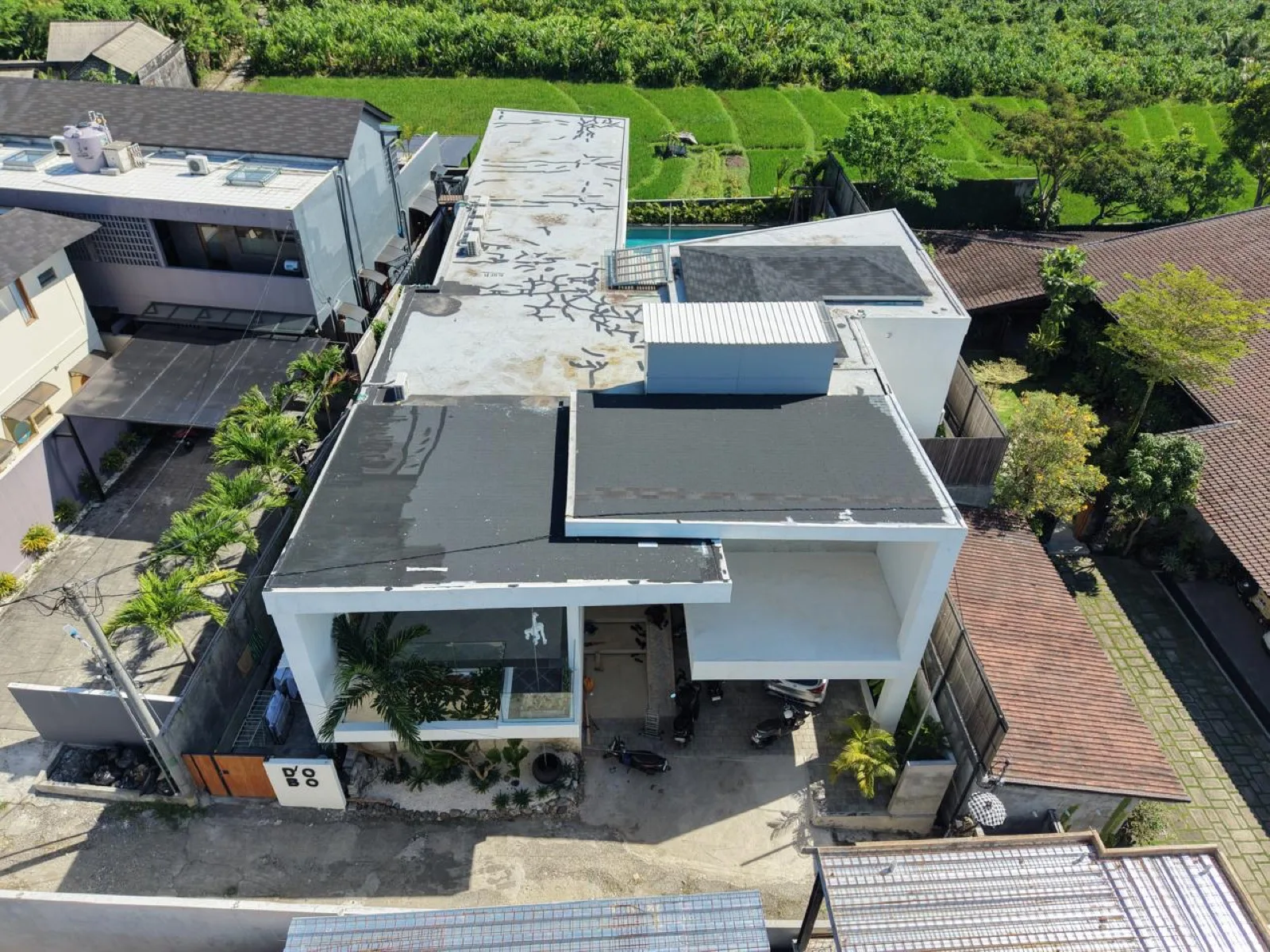
Demolition is not just tearing down
When a building is deemed no longer functional, endangers the environment, or is indeed to be replaced, demolition becomes an option. However, PP 16/2021 Pasal 314 ayat (1) emphasizes that demolition must be carried out in an orderly manner, considering security, public safety, and the environment. It must not be done carelessly.
The process begins with its legal status. Demolition can occur through a mandatory order from the Dinas Teknis, for example when a building is no longer functional and cannot be repaired or is hazardous (Pasal 314 ayat (3)), or through a demolition approval if initiated by the owner (Pasal 314 ayat (4)).
RTB and submission via SIMBG
The owner submits the demolition application through SIMBG to the Dinas Teknis, and the application must be accompanied by a Demolition Technical Plan (RTB) document in accordance with PP 16/2021 Pasal 318. The RTB contains the concept and drawings of the demolition plan, methods that comply with occupational health and safety principles, the schedule, environmental protection plans, and the management of demolition waste (Pasal 198 ayat (3)).
One common misconception: the RTB is not prepared by just anyone, and not by the Pengkaji Teknis. PP 16/2021 Pasal 198 ayat (1) and Pasal 317 ayat (4) stipulate that the RTB document is prepared by the building demolition service provider. Particularly for demolition involving heavy equipment or explosives, Pasal 321 ayat (8) mandates its execution by the demolition service provider.
Special attention for slope and cliff locations
Bali has many buildings in sensitive locations, such as cliff edges in the southern region. For these conditions, PP 16/2021 Pasal 78 ayat (7) regulates that the site area with elevation differences that have landslide potential must be provided with protective structures, and the site surface must be covered if it is located on a slope or steep incline.
This provision emphasizes that demolition planning in high-risk locations is not just about tearing down the structure, but also maintaining post-demolition land stability. The management of environmental impacts is integrated into the RTB, not as a separate document, so that the work methods and mitigation are read as a unified whole.
The role of consultants in this process
For owners, understanding this workflow is important to prevent the demolition from leading to legal issues or damage to neighboring properties. The RTB document is verified by the Dinas Teknis before the demolition is approved, so thorough preparation speeds up the process.
The consultant's role here is to help owners understand their obligations, prepare the required documents, and coordinate the appropriate parties, while still respecting that the preparation and execution of the demolition are carried out by a competent service provider in accordance with the regulations.
Secure consultation
Check the building's position before making a decision
Start with the document status you know: location, building function, PBG/IMB/SLF if any, and current usage conditions. Sensitive data only needs to be discussed after the document requirements are clear.